Design · Integrate · Verify
Engineering
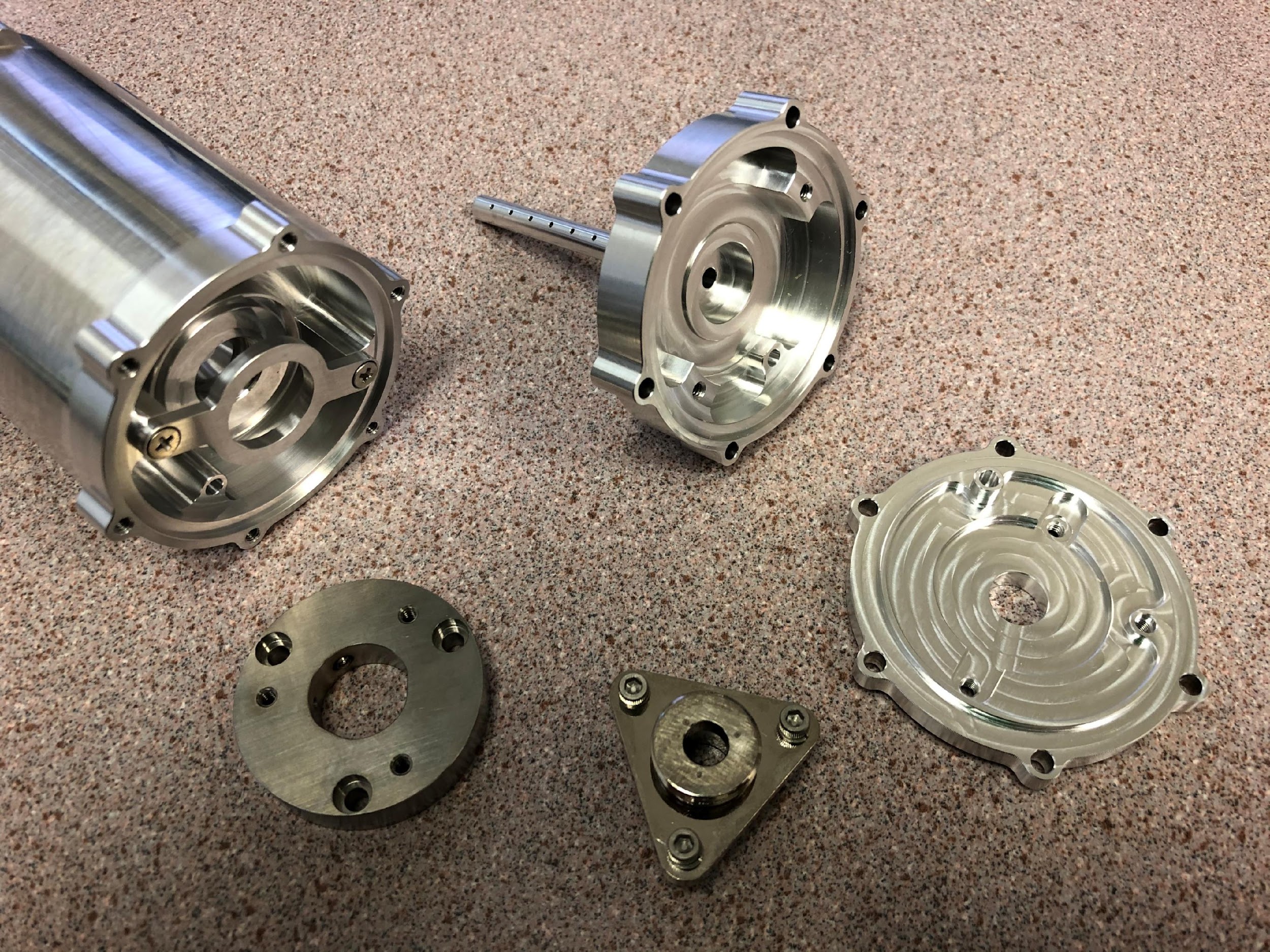
Optical design, modeling, tolerance analysis, custom components, packaging, and test. Work connects the system concept to a practical optical assembly.
Explore engineeringEngineering, research & production
From optical design and custom components to new source and sensing concepts, Alpha Photonics connects detailed optical physics to the performance of the complete subsystem.
Engineering, research, and production share the same system perspective. Explore a path, or follow a topic tag to the relevant technical capability.
Design · Integrate · Verify
Optical design, modeling, tolerance analysis, custom components, packaging, and test. Work connects the system concept to a practical optical assembly.
Explore engineeringInvestigate · Model · Experiment
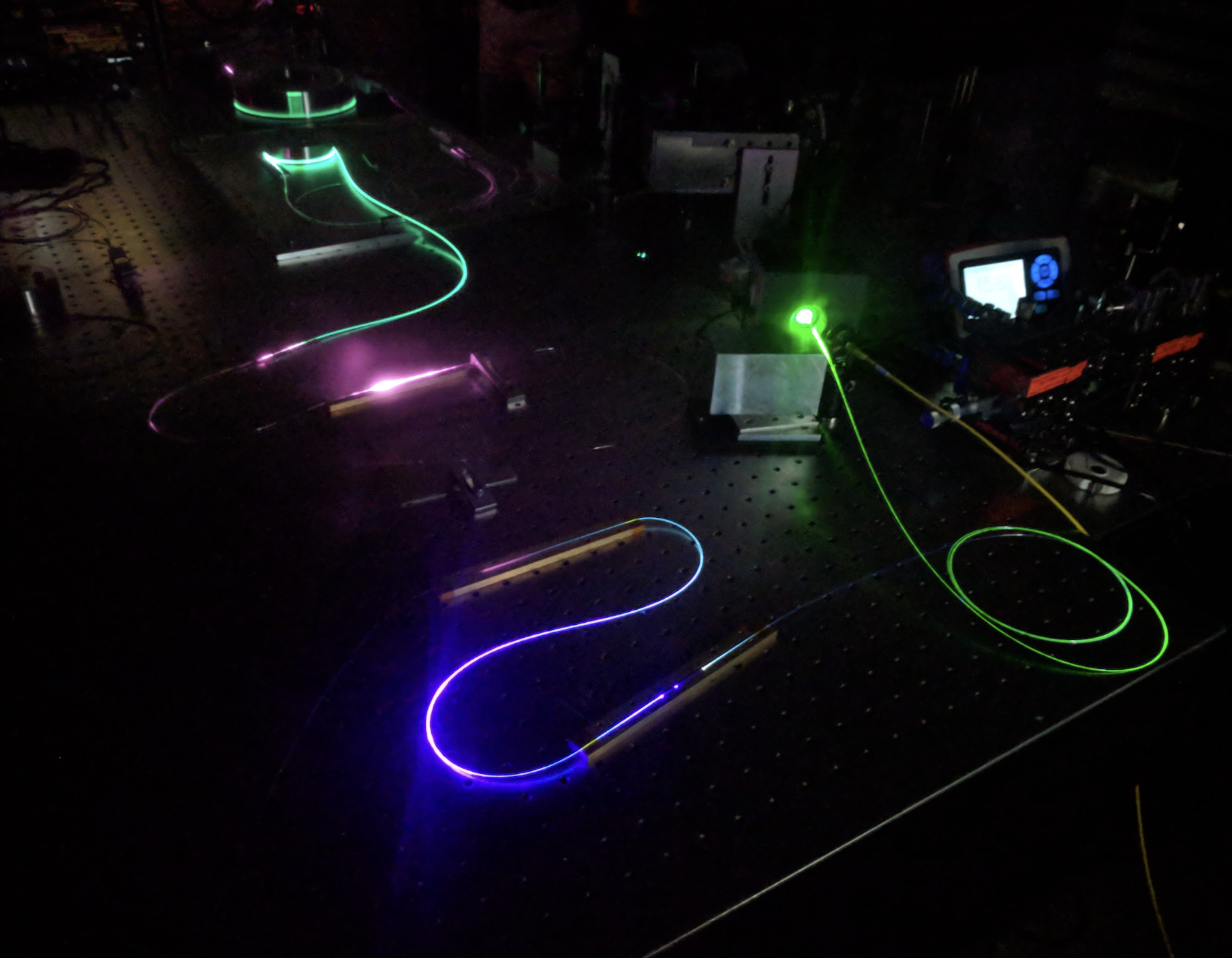
New source architectures, wavelength generation, cognitive sensing, and modal-control concepts, investigated through theory, modeling, and experiment.
Explore research areasBuild · Package · Test
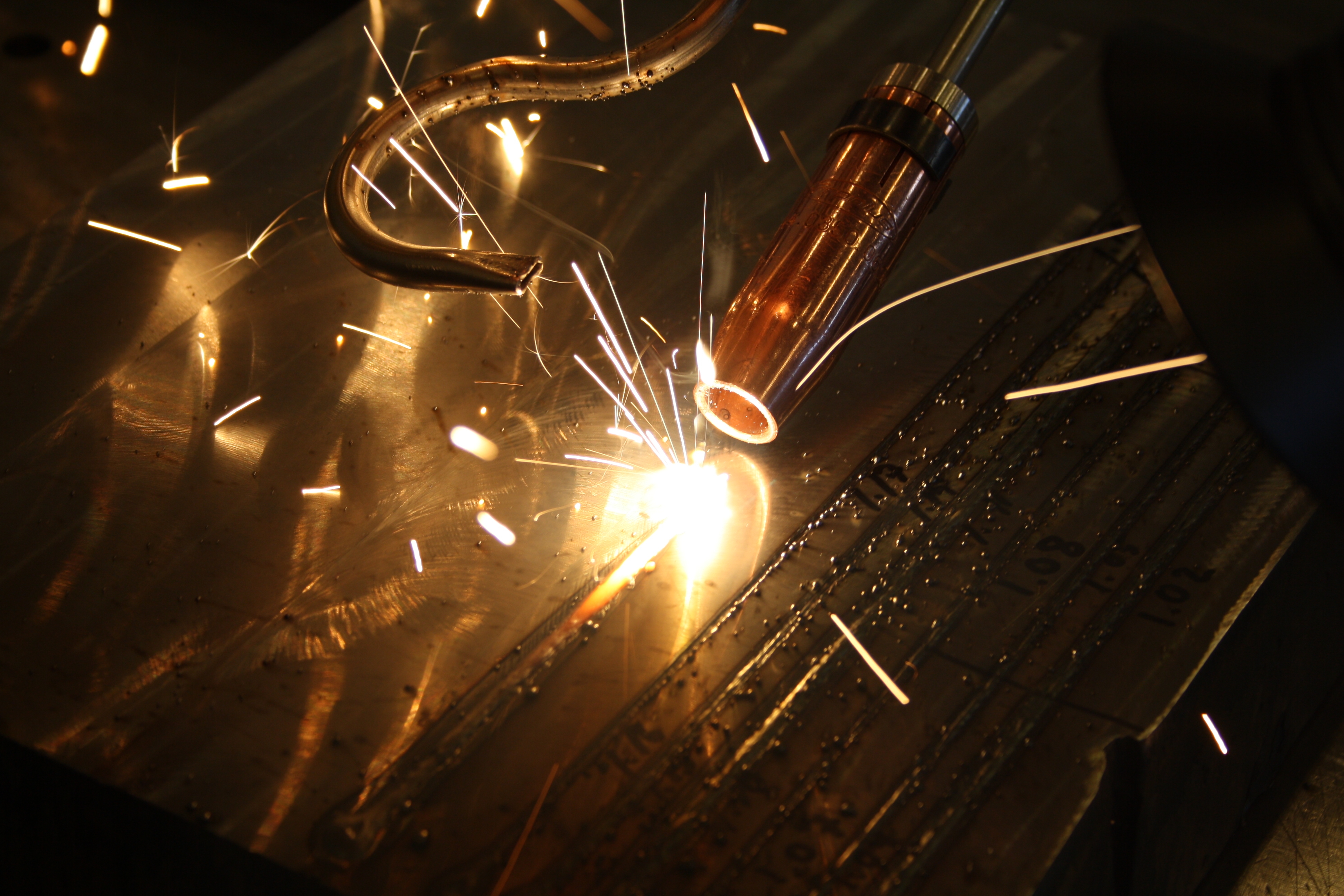
Fiber-laser builds, lidar subassemblies, and butterfly packages for fiber-coupled devices. Assembly, laser-welded packaging, and acceptance testing connect the design to repeatable hardware.
Explore productionProduction capabilities
Fiber lasers, lidar assemblies, and fiber-coupled packages.
Production carries the optical design into controlled assembly, packaging, and verification. Fixtures, alignment methods, build instructions, and acceptance measurements keep the hardware connected to the system requirements.
Fiber preparation and splicing, component integration, optical alignment, thermal interfaces, and source characterization. Build procedures and test records support prototype and low-rate production.
Transmitter and receiver subassembly integration, optical alignment and boresight retention, packaging, calibration, and functional test. The production scope follows the application’s optical and interface requirements.
Precision optical alignment, fiber attachment, laser-welded fixation where appropriate, thermal integration, and optical testing for compact butterfly-package assemblies. Packaging choices address coupling stability, alignment retention, and repeatability.
Process development, fixtures, tolerance control, assembly documentation, and production test form one build path. Team heritage includes laser productization, fiber-laser assembly processes, and laser-welded optical components.
Capability / 01
From system concept to an optical assembly that works.
Optical engineering connects the work across Alpha Photonics. System objectives guide the optical architecture; detailed analysis of sources, propagation, coupling, detectors, and physical interfaces identifies where a design change can improve the complete subsystem.
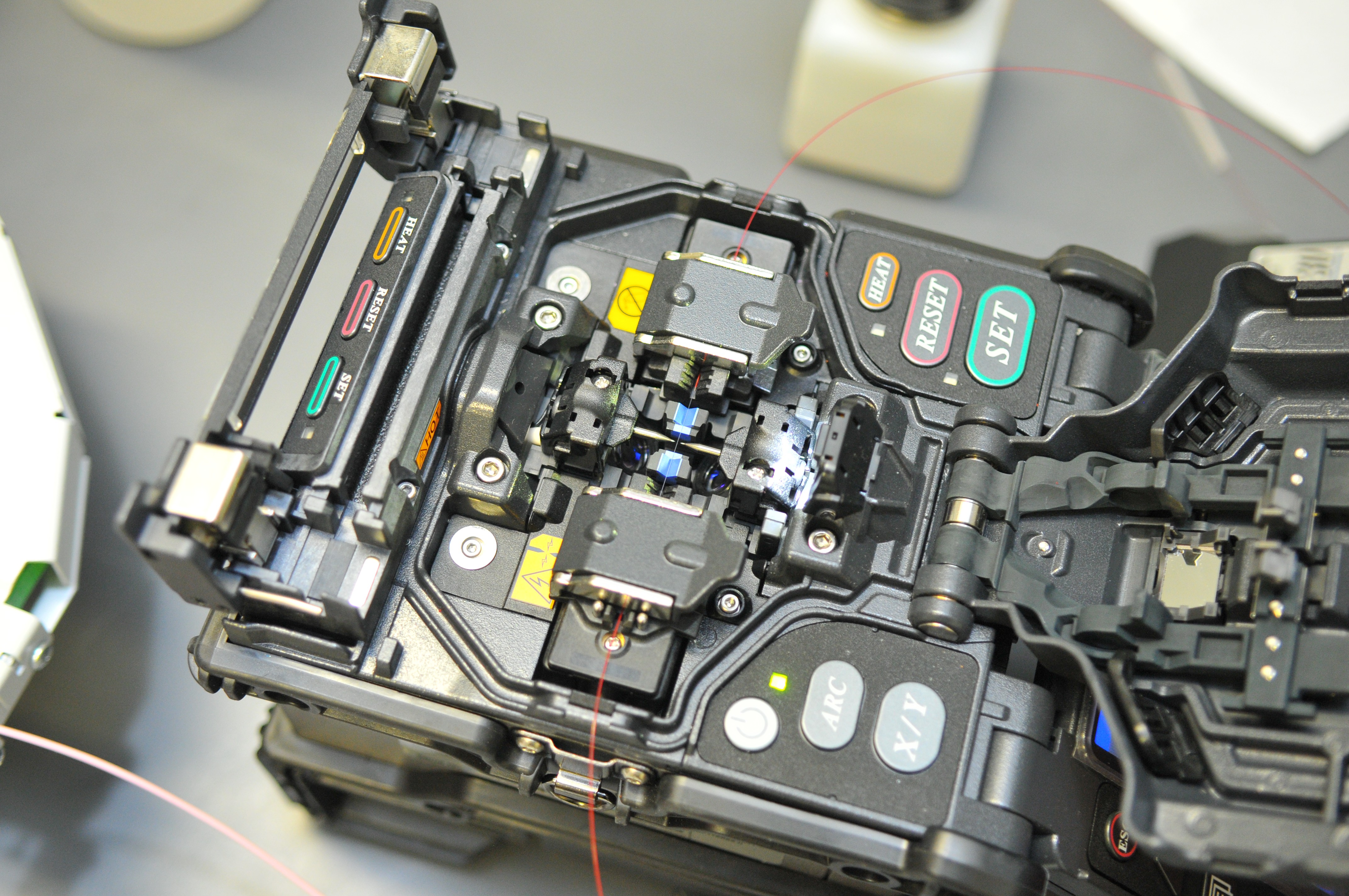
Lens and imaging design, beam propagation, fiber coupling, mode matching, and free-space optical interfaces.
Connect source behavior, optical throughput, propagation, receiver response, and operating conditions in performance and link-budget models.
Translate the optical design into alignment budgets, tolerance stackups, metrology, and repeatable assembly methods. Analyze the causes of performance loss and manufacturing variability.
Evaluate heat flow, materials, drift, mechanical interfaces, and alignment retention alongside optical behavior.
Connect component measurements to subsystem requirements. Define acceptance criteria and experiments that guide the next design or build iteration.
Capability / 02
Sources, amplifiers, and high-power fiber connectors.
Alpha Photonics develops fiber-laser and amplifier architectures around output power, beam quality, pulse format, interfaces, and operating environment. Gain material, fiber geometry, modal behavior, thermal design, and component interfaces are considered together to improve source efficiency and the usable operating envelope.
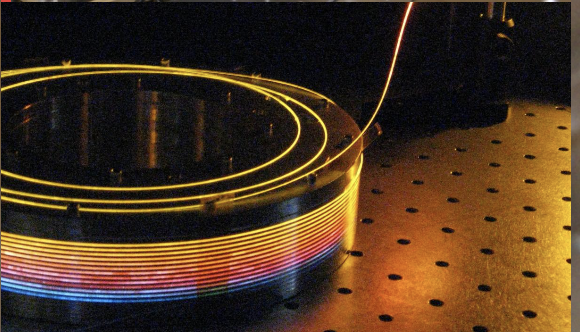
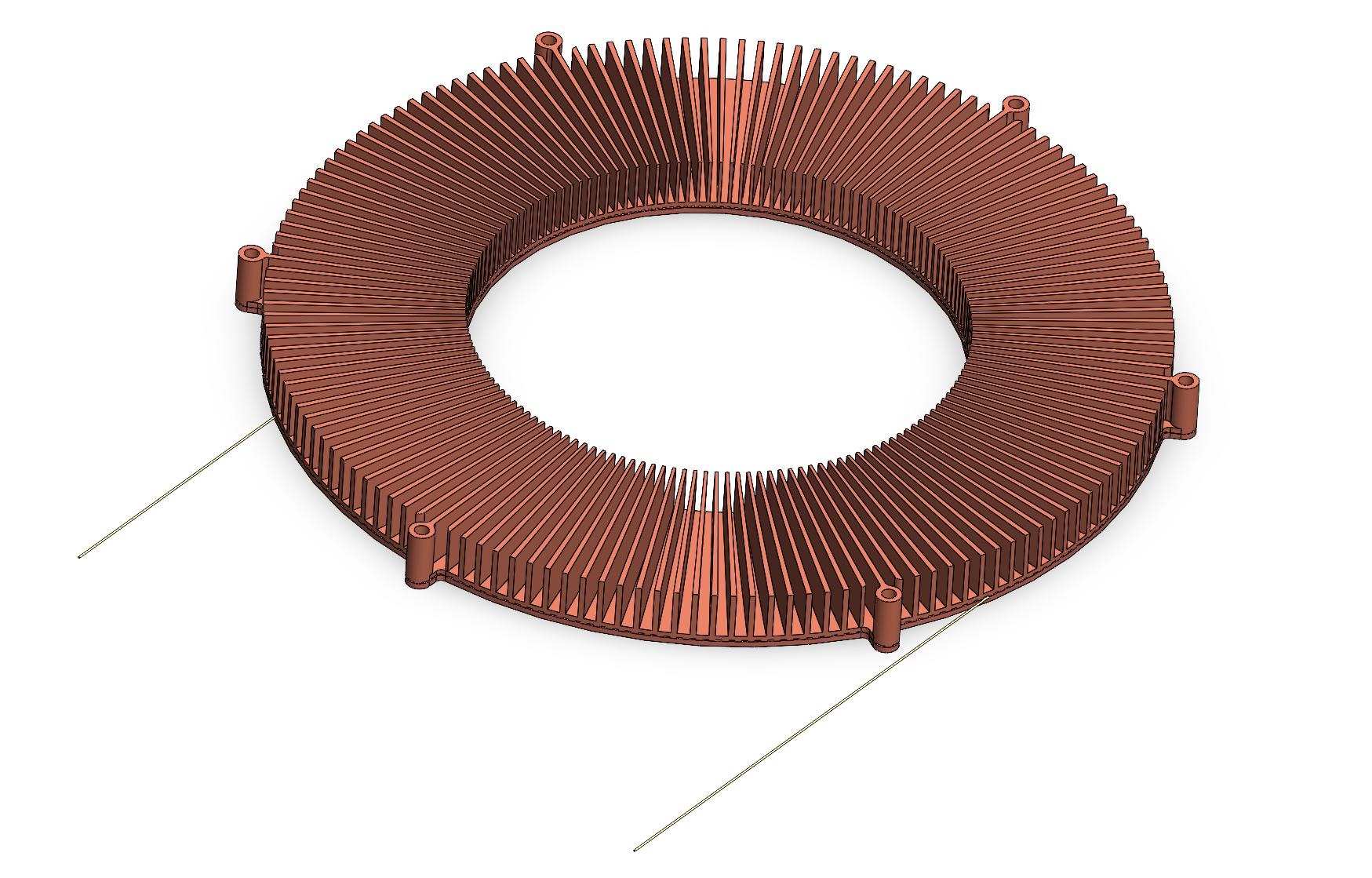
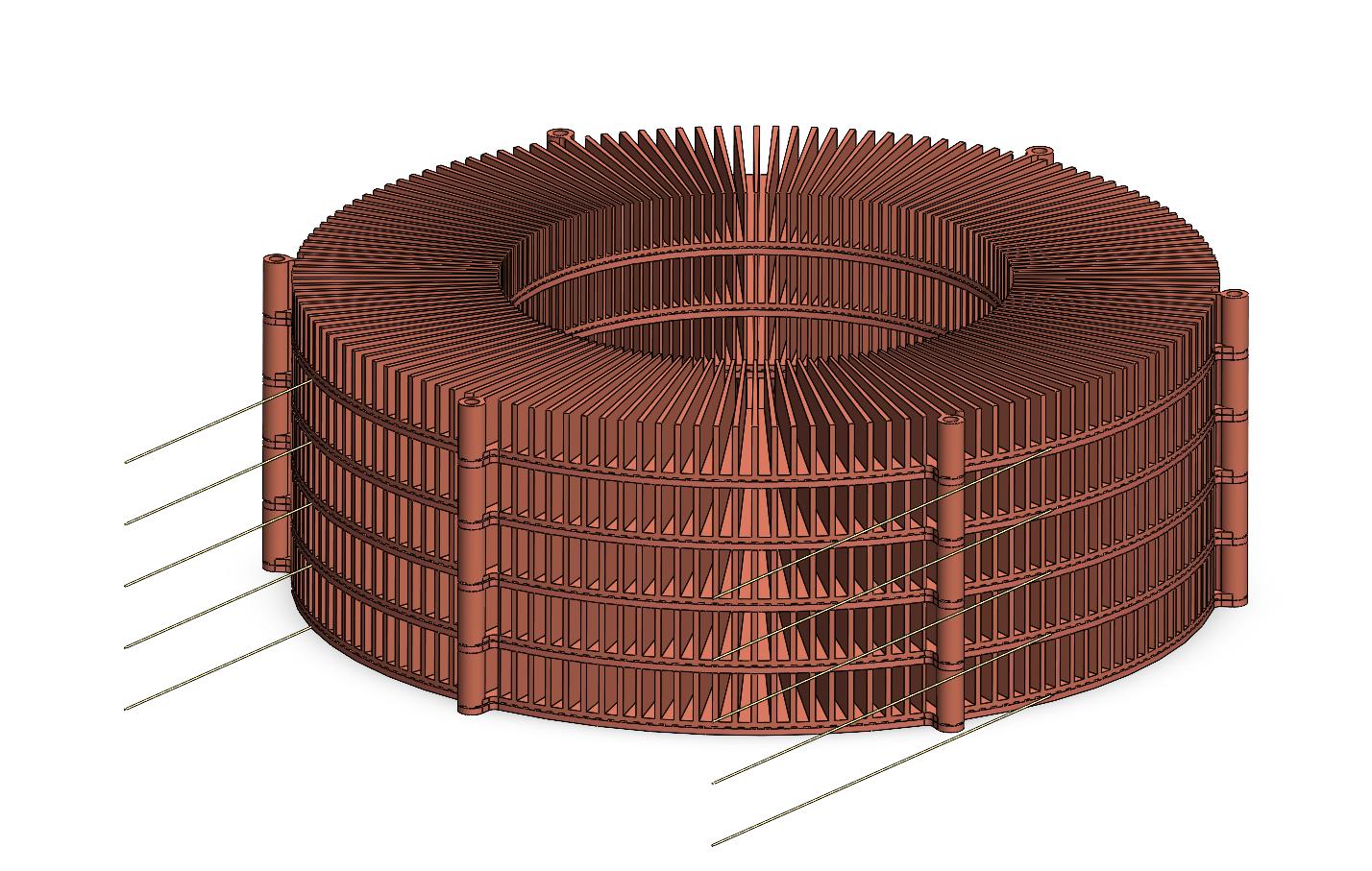
Oscillator and amplifier architectures, specialty-fiber selection, pulse-format design, and source characterization.
Gain, nonlinear effects, thermal loading, and beam quality are evaluated together to identify practical scaling limits and guide experiments.
Custom single-mode and few-mode interfaces, including large-mode-area fiber-to-fiber connections and free-space couplers. Work connects beam expansion, mode matching, lens design, and alignment tolerances to thermal management, contamination control, end-face protection, and cladding-light extraction.
Our team’s prior experience includes optical and lens design with full tolerance analysis for a single-mode fiber-to-fiber free-space coupler for a large-mode-area photonic-crystal-fiber system operating above 1 kW average power. We apply this experience to connector and packaging development.
Capability / 03
Connect the available source to the required wavelength.
Alpha Photonics develops nonlinear-optical approaches that extend laser sources into wavelengths required by sensing, communications, and other optical applications. The work connects conversion physics to the source, optical layout, thermal behavior, and test plan.
Evaluate conversion architectures, phase-matching requirements, beam propagation, and source characteristics against the required output.
Connect the pump source, nonlinear stage, optical interfaces, alignment, and thermal design in a coherent development plan.
Use modeling and experiments to assess conversion behavior, output quality, stability, and the limits that guide the next design iteration.
Capability / 04
Custom glass through packaged optical assemblies.
Alpha Photonics develops and manufactures fiber components around the optical interface, material, geometry, power handling, and operating environment. The work spans glass processing, custom assemblies, laser-welded packaging, and characterization.
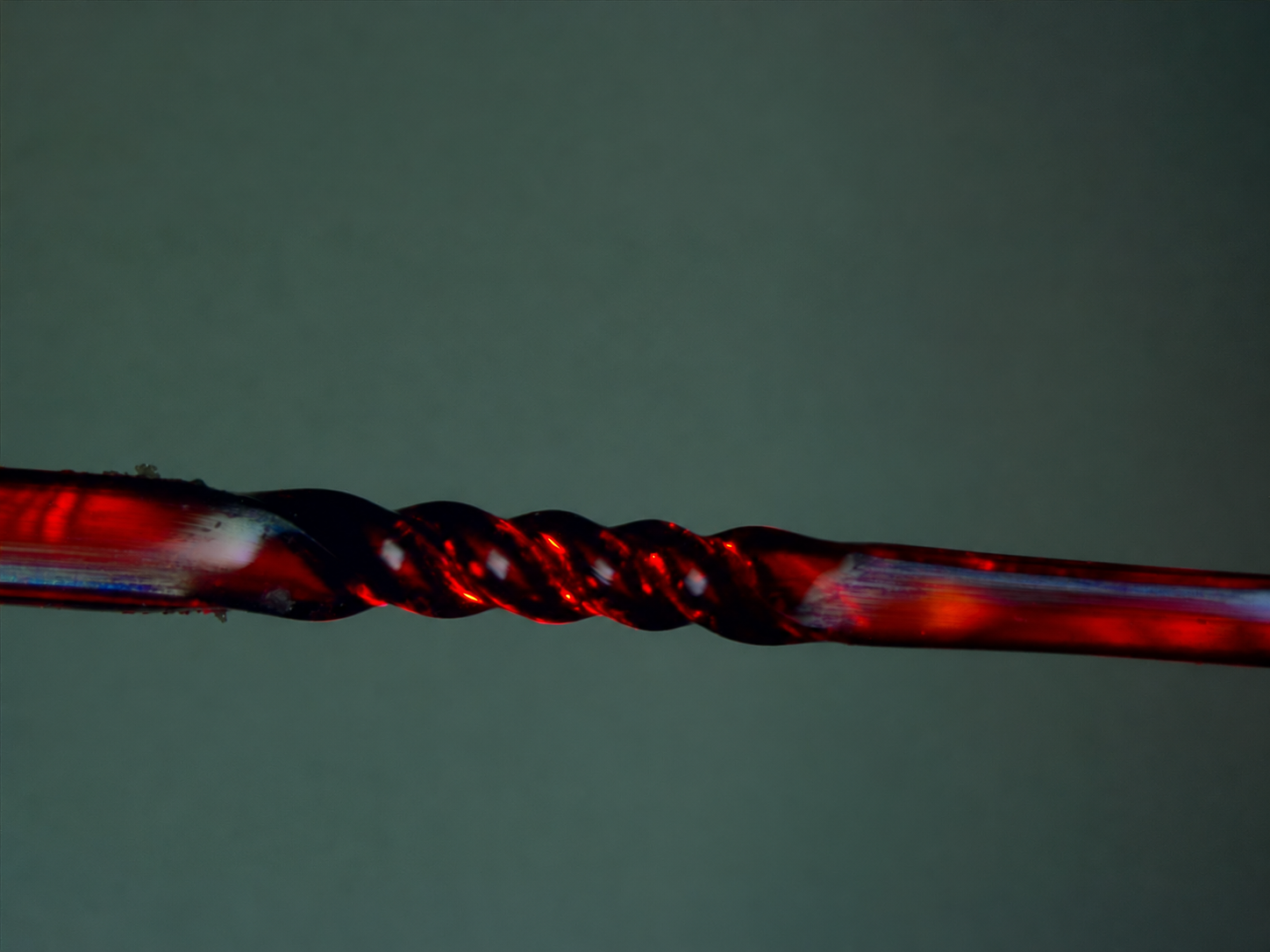
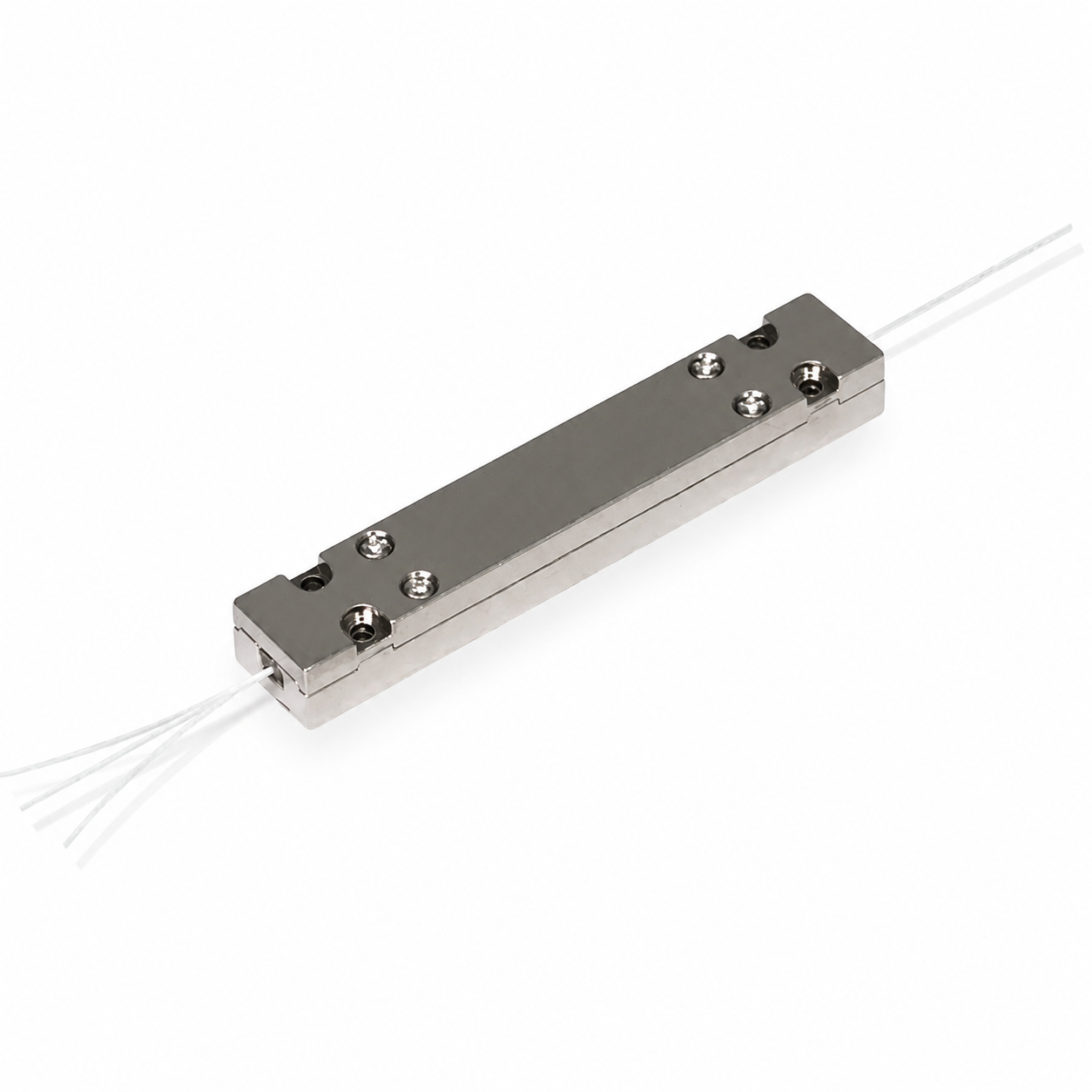
Pump and signal combiners, fused fiber assemblies, tapers, and mode-field adapters. Component design connects optical coupling to fabrication, thermal management, and the required system interfaces.
Silica, chalcogenide, and fluoride-glass process development. Custom tapered and twisted fiber assemblies, homogenizers, specialty terminations, and large-diameter fiber processing support designs beyond standard catalog components.
High-power fiber connectors and expanded-beam interconnects, solid- and hollow-core fiber endcaps, lensed endcaps, and mode strippers. Optical alignment, power handling, and packaging are developed together.
Process development for laser-welded optical assemblies. Packaging work addresses alignment retention, thermal interfaces, tolerance stackups, environmental robustness, and production verification.
Capability / 05
Transmit, receive, and choose the next measurement.
Alpha Photonics develops lidar architectures that connect the laser source, receiver, signal processing, and measurement strategy to the sensing requirement. Source waveforms, receive windows, detector behavior, and measurement policy are developed together around the sensing objective. Hard-target ranging and tracking, space-oriented sensing, and compact platforms are example applications.
Explore LIDAR systems and algorithmsSource requirements, optical interfaces, detector operating modes, timing, and acquisition architecture.
Link budgets and measurement models connect optical power, background, detector behavior, atmosphere, and target properties to a useful observation.
Each return updates the scene estimate. The controller uses that estimate to select the next permitted pulse, receive window, detector setting, or dwell, then continues, tracks, stops, or reacquires as the evidence requires.
Capability / 06
Make the spatial structure of light an engineering variable.
Alpha Photonics develops ways to shape, transform, launch, and recover optical modes. The same modal physics informs power delivery, optical interconnects, and quantum-photonics concepts, with each application evaluated against its own hardware and measurement requirements.
Explore SCULPTDesign spatial fields and mode converters, match launch and collection optics, and evaluate propagation, coupling, and alignment. Prior higher-order-mode conversion and amplification work provides hardware heritage.
Develop controlled launch and calibrated recovery of independent information channels through multimode fiber. SCULPT brings spatial-mode engineering to optical interconnects, connecting controlled launch with calibrated recovery of independent data channels.
Investigate pump-spatial-mode shaping and engineered photon-pair emission, including control of spatial correlations and collection into useful optical channels. This work draws on our experience in quantum mode-control theory and optical-source design.
Capability / 07
Make the interfaces work together.
Alpha Photonics turns optical requirements into subsystem architectures, engineering budgets, interfaces, prototypes, and verification plans.
Translate the mission or application into measurable subsystem objectives and an engineering approach.
Connect optics, laser sources, receivers, mechanical packaging, thermal management, and control interfaces.
Define the measurements that establish performance and expose the dominant risks early.
Start a technical conversation
Discuss the optical performance, interfaces, environment, and test criteria your program needs to resolve.